LambdaClass at NousCon 2026: Hermes Agent goes mobile
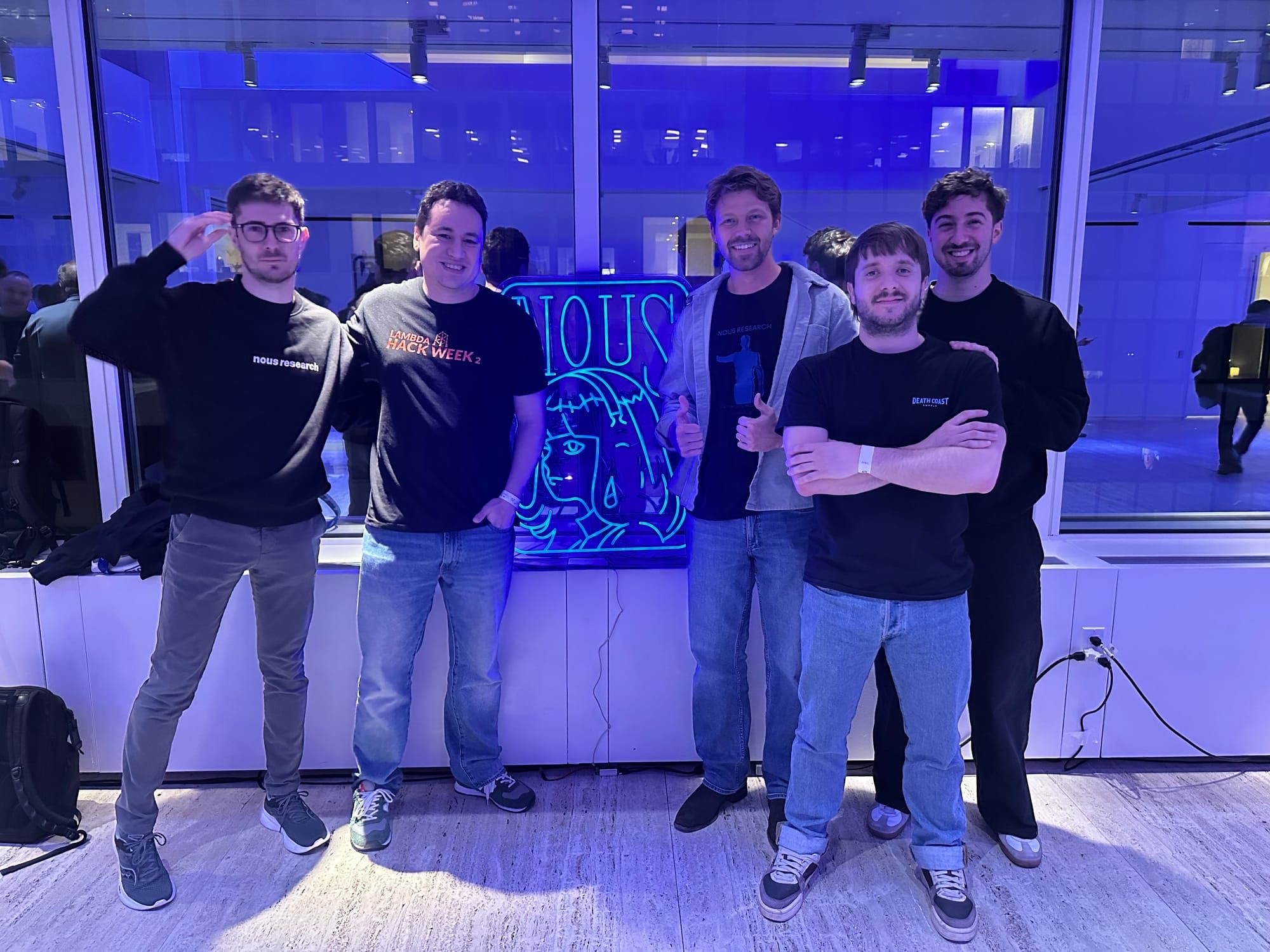
Recap of our days in New York working with Nous Research, and what we saw at NousCon.
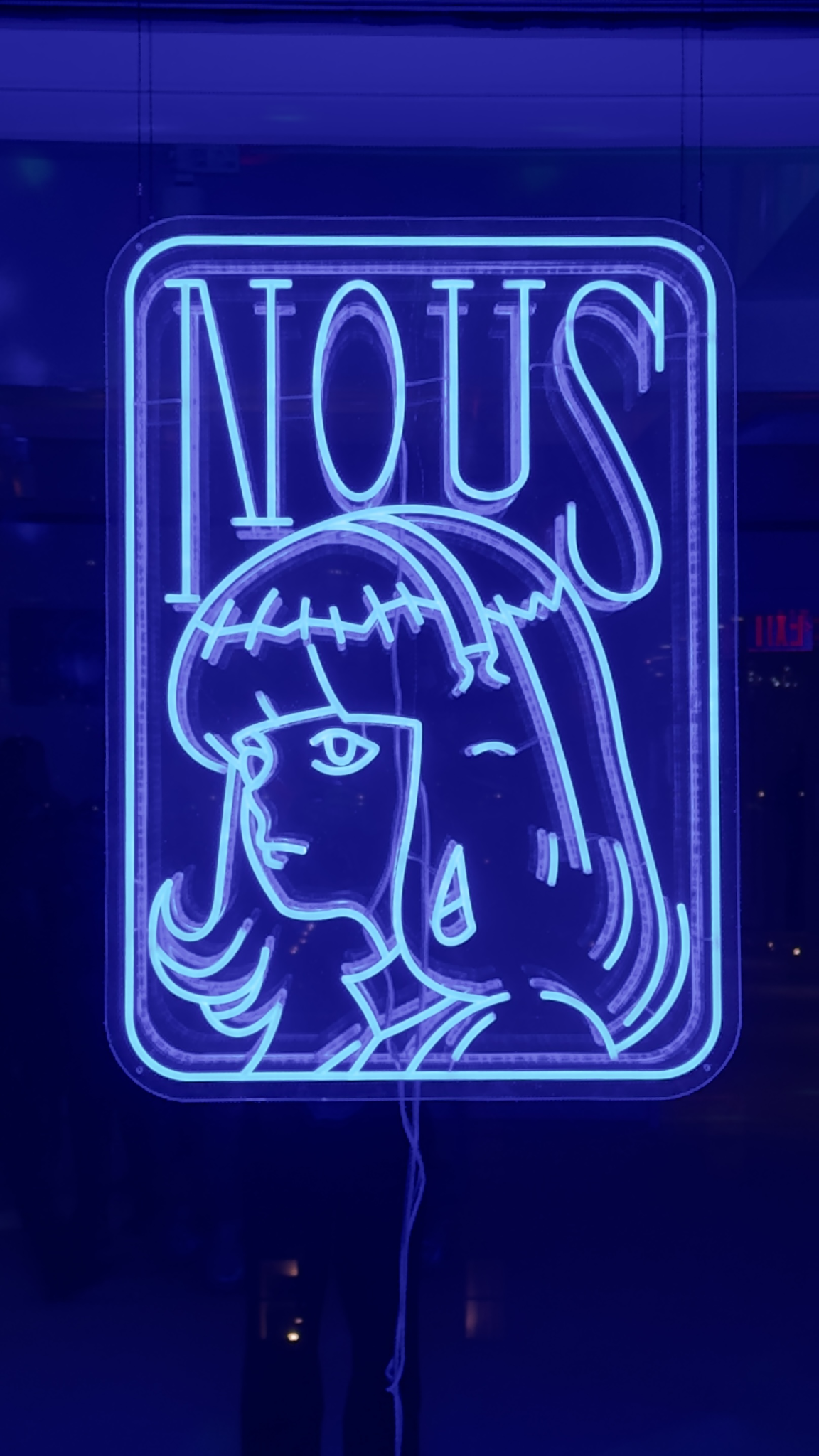
The Nous neon sign at NousCon 2026.
On October 30, Nous Research hosted NousCon 2026 in New York City. It was an evening about the future of Hermes Agent, its open-source personal agent. As in previous years, the night combined networking and hands-on exhibits, with a party until midnight. The room was full of people who use Hermes every day, alongside newcomers curious to explore its capabilities and see what sets it apart.
We’ve been working with the Nous team for almost two years, from decentralized training with Psyche to Hermes Agent and its supporting services. This trip was a chance to work together in person, discuss what comes next and hear directly from people using what we’ve helped build.
Nous Research is an AI research company building open-source models, agents and the infrastructure behind them. Its work includes the Hermes family of language models and Hermes Agent, the personal agent at the center of this year’s NousCon. Hermes Agent has become one of the most popular open-source agents this year, with about 265,000 stars on GitHub.
Working with the team
We arrived in New York a few days before NousCon to work side by side with the rest of the team. Being in the same room, we went through important parts of the roadmap with the Nous team and worked together on core features of Hermes.
Most of our time went into the hosted services behind Hermes Agent, mainly Hermes Cloud, which lets users run their agent on infrastructure managed by Nous. We also worked on features for the Nous Portal, where users manage their subscriptions, create teams, access models and manage their cloud agents.
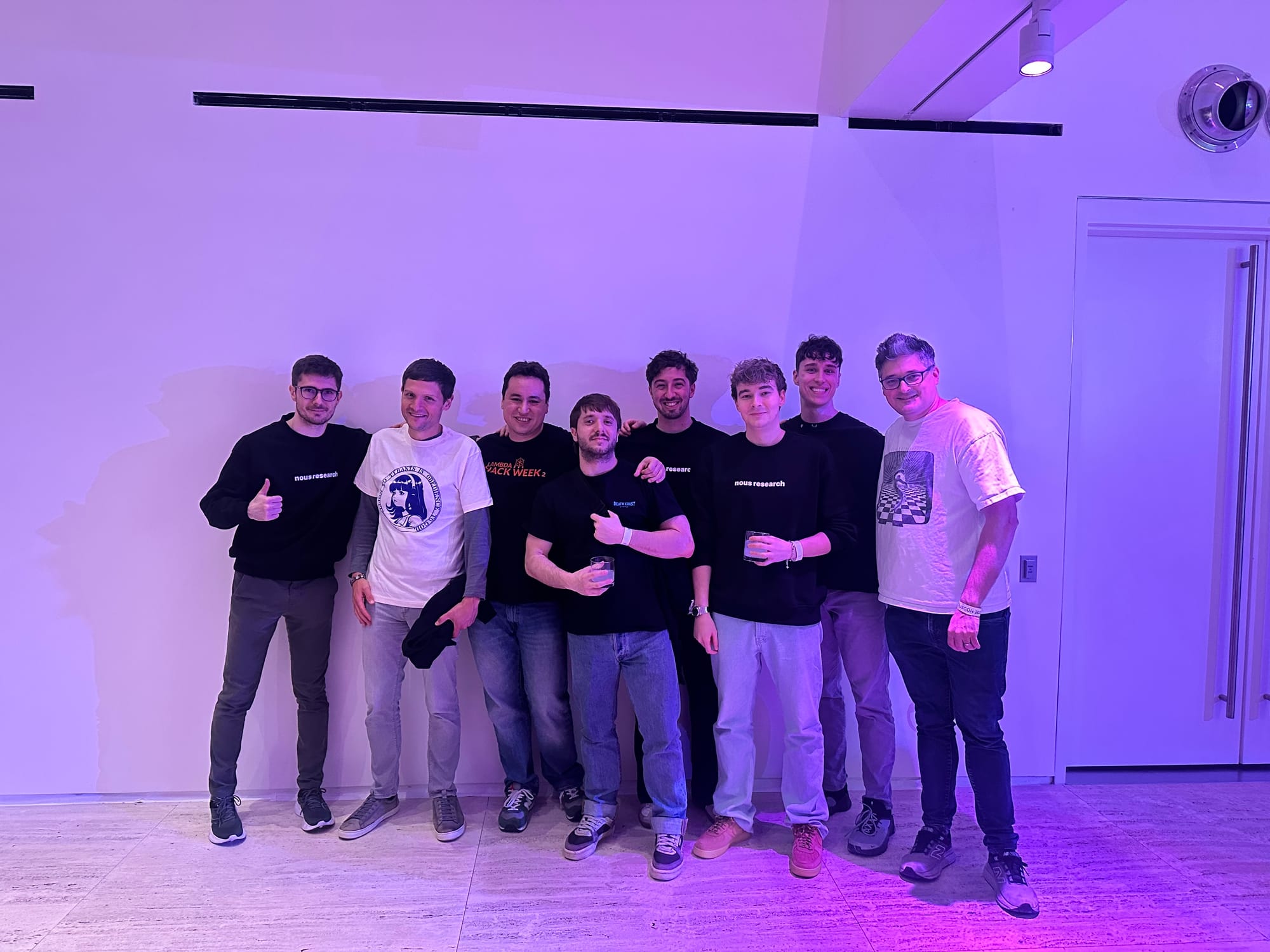
The team at NousCon 2026.
The Hermes Mobile app
Nous Research CEO Dillon Rolnick opened the evening. Nous then introduced Hermes Mobile, its beta app for iOS and Android. It brings Hermes to the phone, letting users chat with their agent, follow its progress, approve tool calls and manage bots and routines while away from their computer.
The app connects to a user’s existing Hermes gateway, whether self-hosted or on Hermes Cloud. The agent keeps running on the computer or server where it’s hosted, and the phone gives users a way to stay connected to it throughout the day. For us, having spent the days before NousCon working with the Nous team on its hosted services, the announcement was especially relevant.
Art and exhibits
The venue was packed across two floors. Alongside the product announcements, the exhibits explored how Hermes can be used in digital art and interactive installations.
Morry Kolman’s Persistence 2 was a duet between two computers with almost no way to reach each other. They were kept apart by a firewall, with no wireless connection and no microphones, cameras, speakers or screens. Using agent skills built on security research into crossing air gaps, the two machines tried to turn hacking techniques into a way of connecting.
Kevin Esherick’s Mandala gave an agent a sandbox and asked it to turn that space into art. Its evolving work appeared across six screens, only to be erased every 24 hours so the process could begin again.
Next steps
We’ll keep working alongside the Nous team to help make Hermes more reliable, faster to set up and easier to use day to day. With Hermes Mobile now in people’s hands, that work matters even more, because users expect their agent to be available whenever they pick up their phone.
We’ll also keep contributing to Hermes Agent itself, helping make the experience simpler for new users.
Thanks to the Nous team for hosting us. See you at the next one.
